






Riding a motorbike is an activity that almost enjoys freedom, speed and accuracy. Nevertheless, it is not necessarily power of engines or design that makes a ride safe and enjoyable, it is the suspension system. A motorcycle suspension system is essential in providing comfort, control and other aspects of stability during road use depending on the road condition.
Suspension mechanisms have ceased to be mere mechanical parts in the motorcycling world nowadays but are complex mechanisms designed to provide the performance, safety, and flexibility. Being in the city roads, highway, or off-road conditions, a well-operating suspension system ensures that the motorcycle does not fall but takes in all shocks and the tires are in the best possible contact with the road.
This press release brings out the significance of the motorcycle suspension system, its parts, types, advantages, care and maintenance style coupled with new technologies that are transforming the riding experience.
A Motorcycle Suspension System?
A motorcycle suspension system is a set of mechanical parts that are used to join the wheels with the motorcycle frame and also take up road shocks and vibrations. Its major role is to ensure constant contact between tires and the ground.
Front Suspension System
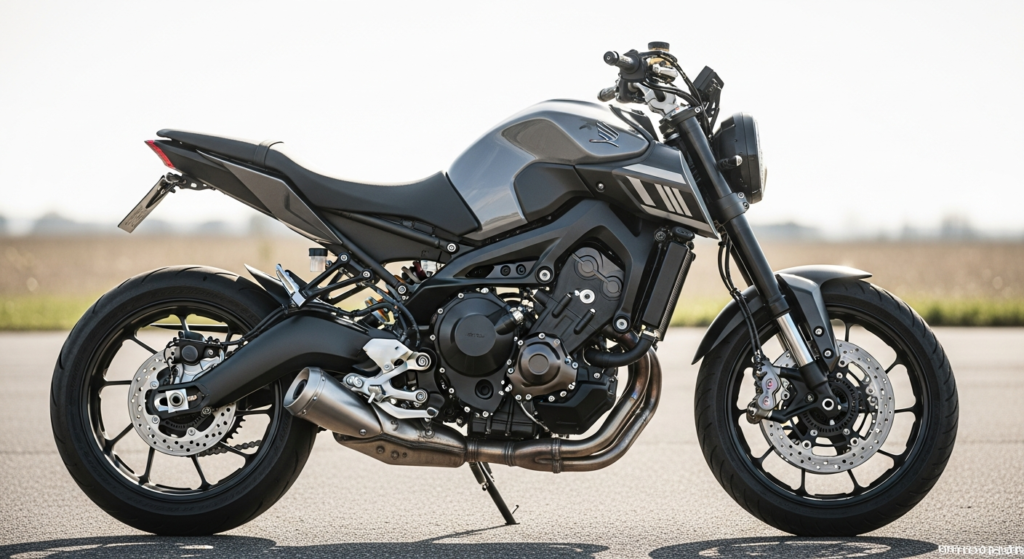
A front suspension in most cases is made up of telescopic forks or inverted forks. These parts have the job of absorbing shocks caused by the front wheel and helping in the accurate steering. They are very important in the experience of the responsiveness and stability of the motorcycle in the turn and braking events.
Rear Suspension System
The back and the rear suspension, which may be shock absorbers or a monoshock system, is the support that the rear wheel has and assists in keeping the balance. It takes shocks on uneven surfaces and provides stability of the motorcycle when accelerating and decelerating.
The combination of the front and rear suspension systems forms a balanced system that helps in maintaining a smooth handling and a regular performance.
Significance of Suspension on Comfort of Riding.
One of the most evident advantages of a designed suspension system is comfort. Without it, riders would experience all bumps, potholes, and road flaws at first hand, which is also uncomfortable and tiresome.
Seat – Shock Absorption and smooth ride.
Suspension systems absorb energy caused by irregularities on the road and therefore the road irregularities are not transferred to the rider. This ensures that the rides become easier and fun.
Reduced Rider Fatigue
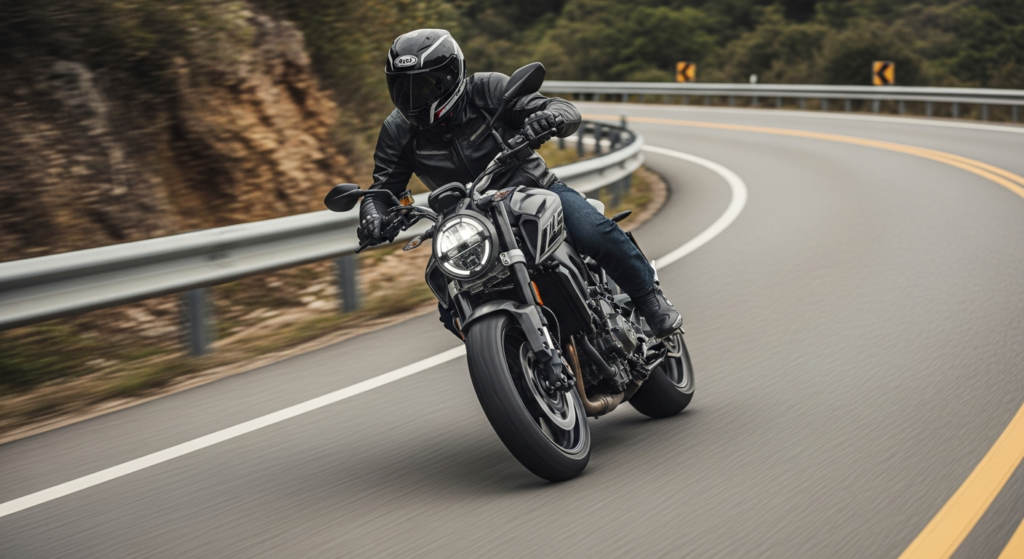
Riding long distances may be a physical strain. An effective suspension system reduces vibration and impact, and puts less of a load on the rider, making it possible to cover greater distances over the comfort of the rider.
Improved Ride Experience
Under good suspension, the motorcycle runs on rough surfaces and this makes the process of riding the bike smooth and enjoyable despite the conditions of the road.
Improving Control and Management.
Motorcycle control plays a critical role in ensuring safety particularly in cases where it is maneuvering through sharp curves, unbalanced roads or at high speed. The suspension system plays a major role in terms of control and responsiveness.
Tire Contact and Grip
Suspension is used to make sure that the tires are in constant touch with the road surface. This improves traction which is very crucial in acceleration, braking and cornering.
Steering Accuracy
A balanced suspension system will enable one to have the steering ability in a well balanced way. The riders have the ability to negotiate the traffic and corners with increased responsiveness.
Braking Stability
Suspension allows the transfer of unwanted forward weight to the ground to be small during braking and generate balance or the possibility of skidding or loss of control.
Impact on Riding Stability
Safe riding at a higher speed or on rough ground requires stability, particularly in higher speed. Suspension systems are crucial in ensuring that there is equilibrium and balance.
Equality on Both Sides.
Suspension is used to ensure that the weight is evenly spread on both wheels and is not unstable and wobbling. This is particularly during passenger or cargo carrying.
Cornering Confidence
Suspension is used when the motorcycle is leaning so that it does not lose balance during turns. This enhances the sense of assurance, and minimises the risk of mishaps.
High-Speed Stability
Even a little disturbance on the road at high speeds may bring about instability. These disturbances are absorbed by suspension systems so that they can be able to ride smoothly and in control.
Motorcycle Suspension System types.
Various types of suspension systems are fitted on different types of motorcycles depending on the purpose and performance demands.
Telescopic Fork Suspension
It is the most widespread front suspension system in motorcycles. It is cheap, convenient and easy to use and is suitable for the daily commute.
USD Fork Suspension Upside-Down (USD).
They are also called inverted forks and are usually applied in sports and performance motorcycles. They also have enhanced rigidity, handling capabilities and stability at high speeds.
Shock Absorber Suspension System.
A monoshock system is one that incorporates one shock absorber in the middle. It offers better balance, handling and is usually available in contemporary motorcycles.
Dual Shock Absorber System
In this conventional design there are two rear shock absorbers. It has the balance between comfort and durability, particularly commuter and touring motorcycles.
Suspension Repair and Tilting.
The suspension system requires maintenance as well as adjustment regularly to guarantee that the system functions effectively in the long run.
Routine Inspection
Suspension parts should also be checked frequently, by the rider, to make sure that they are not oil leaking, worn or damaged. The early identification of the problem prevents significant problems and makes it safe.
Suspension Tuning
The suspension settings can be modified according to the road condition and the type of riding e.g. preload, compression and rebound. With appropriate tuning comfort and performance is improved.
Professional Servicing
Suspension parts should be in good condition; this is ensured by regular servicing by professionals. This involves lubrication, changing of seals and performance check ups.
Suspension Systems Technological Advancements.
The current motorcycles have improved technologies of suspension that enhance flexibility, performance, and comfort.
Electronic Suspension Systems.
These systems automatically regulate suspension settings depending on the road conditions and the way the bike is ridden providing an idealized experience of riding.
Adjustable Suspension systems.
These systems are very versatile as the riders can tweak the suspension parameters to fit to various terrains.
Air Suspension Systems
Air suspension Air suspension involves the compressed air to regulate the ride height and stiffness to ensure better comfort and flexibility.
Trends and Awareness of Industry and Riders.
Suspension systems are being increasingly recognized in importance by the manufacturers and riders. Planned modern motorcycles have sophisticated suspension systems that are focused on safety, comfort, and performance.
Riders have become more knowledgeable and they are actively demanding motorcycles that have an improved suspension system. This has caused the improvement in demand of adjustable and electronic suspension technologies in different motorcycle segments.
The experts state that to have a high-quality level of the riding experience, it is necessary to invest in a suspension system or keep the current one in the best condition possible. It does not only increase the comfort, but it also contributes greatly to the safety and control.
Conclusion
The suspension systems of motorcycles are needed in maintaining balance of comfort, control and stability. They are crucial in providing the riders with a chance to safely ride through various terrains in a comfortable and smooth ride.
Suspension systems are getting smarter and more adjustable, which is due to technological progress, and they can be customized to offer consumers a personalized ride. The significance of suspension and the way it should be preserved can significantly improve the safety and performance.
With the constant development of motorcycles, the system of suspension will always be the focus of innovation, and it will determine the future of riding as it will provide the best handling, comfort as well as stability.
Frequently asked questions (FAQ),
1. How does a motorcycle suspension system work?
Its primary purpose is to absorb the shocks on the road and ensure constant tire contact on the road as a means of enhanced stability and control.
2. Why is suspension better than no suspension?
It minimises the effect of bumps and vibrations and gives a more comfortable experience in riding.
3. What are the popular variations of the suspension systems?
The most common ones are telescopic forks, upside-down forks, monoshock and dual shock absorbers.
4. What do I do to keep my motorbike in suspense?
Suspension performance and longevity can be ensured by regular inspection, proper tuning and professional servicing.
5. Will suspension have an influence on performance of your motorcycle?
Yes, it is true that suspension has a great influence on handling, stability, braking and the ride quality.