



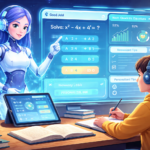


In this fast changing modern world education has ceased to be enclosed in the classroom, books or even a diploma. The existing education systems are more of traditional types, which equip one with basic knowledge, but lack in equipping them with a lifetime of change. Technology, healthcare, finance, and digital marketing are some of the industries that are changing at a blistering pace, rendering skills irrelevant in just a few years. In order to achieve success in this environment, people need to be ready to learn throughout their lifetime and to resort to microlearning as the methods that enable making the continuous learning flexible, practical and highly personalized.
What is Lifelong Learning?
Lifelong learning refers to continuous acquisition of knowledge and skills in the life of a person. In contrast to formal education, which is usually predetermined, lifelong learning focuses on self-directed, lifelong learning in personal, professional, and social spheres. Lifelong learners are diligent users of internet courses, workshops, seminars, mentorship programs, webinars, podcasts and self studies.
Adaptability is the major benefit of lifelong learning. Professionals who remain learned in a fast moving economy remain competitive, creative and able to solve complex problems. In addition to career development, lifelong learning boosts critical thinking, creativity, problem-solving ability, and intellectual alertness in the lifespan of a person, so that one can be intellectual and personally satisfied in the whole life.
The Importance of Lifelong Learning in the Contemporary World.
Formal education used to be enough to keep one working in the past. The world today is doubling in terms of knowledge and new technologies are constantly changing industries. Lifelong learning enables one to:
- Keep up with Technological Change: Use new devices, programs and systems as they crop up.
- Be Competitive: Keep Up with the Job Market: You have to make sure that you keep up with the job market by constantly updating your skills.
- Develop and Improve Personally: Gain confidence, innovation, and strength.
- Promote Social Development: Participate actively in societies with emerging knowledge.
When individuals make learning a routine and not an event, they will be putting themselves in a position to succeed in the long term.
Microlearning: The Learning Revolution of the 21st Century.
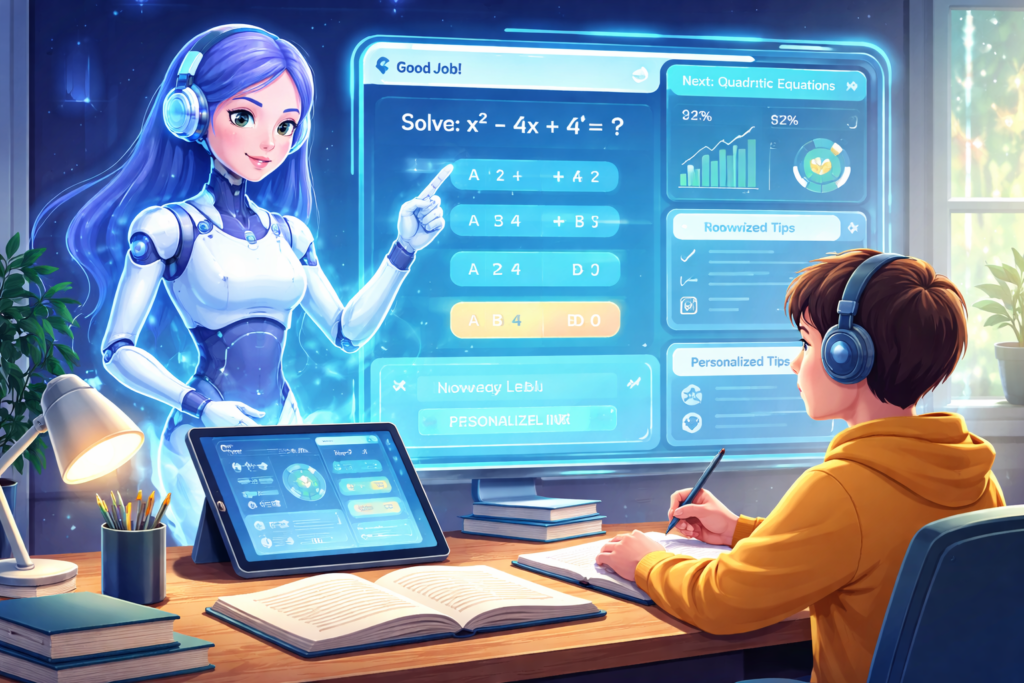
Microlearning is an educational approach that provides the information in short and concentrated bursts, usually 3-10 min. Microlearning, unlike the old-fashioned lectures or multi-hour courses, focuses on tiny and practical ideas or skills that the learner can put into practice.
This way of learning is in line with modern realities. Life is busier than ever before and attention span is limited. Microlearning also enables the learner to experience just-in-time learning and obtain knowledge at the time when it is required. Microlearning is highly flexible and accessible, whether in the form of mobile applications and video instructions, interactive quizzes, and podcasts.
Benefits of Microlearning
- Flexibility & Accessibility: Study at any time and place without interfering with the day-to-day activities.
- Improved Knowledge Retention: Intensive lessons are brief, targeting, and facilitating knowledge.
- Interactive Quizzes, Multimedia, Gamification The interactive aspects of learning formats keep the students receptive.
- Cost-Efficient: It minimizes the classroom set-ups and protracted programs.
- Individualized Learning Plans: Students are given an opportunity to choose modules which are related to their career or personal objectives.
Microlearning in the Workplace.
Microlearning is becoming popular in organizations as a way of employee development and training. The topics of compliance, leadership, software tools, customer service, and teamwork skills are taught in the form of scenario-based modules, short video lessons, and interactive exercises. This strategy will minimize the duration of training as well as enhance the level of retention and performance at work. Learning is applied practically and at the same time, employees have the opportunity to revisit modules on-demand to make learning both practical and immediately applicable.
Personal Development Microlearning.
Microlearning also helps in individual development. Learning apps involve short lessons per day, mindfulness apps involve short guided practices and developing new hobbies involve step-by-step instructions. The collective impact of bit-sized learning on a consistent basis can have significant improvement in weeks, months and years. This makes learning to be sustainable and fun as one will be encouraged to make personal development a daily habit.
Lifelong Learning compared to Traditional Education.
Although traditional education offers the base knowledge and established qualification, they are not very flexible and responsive to the real world. Lifelong learning is focused on self-growth and self-development, which means that a person can experience a variety of topics, develop new skills and abilities, and live in accordance with the evolving conditions. Lifelong learning, with the use of microlearning, is very efficient and practical in that it instructs that learners can utilize the knowledge in small bits, which they can put into practice.
The Use of Microlearning in Everyday Life.
Examples of practical strategies to incorporate lifelong learning and microlearning are:
- Create Specific Goals: Specify what are areas of skills or knowledge to target.
- Employ Technology: Take advantage of the internet, mobile applications, and webinars and podcasts.
- Just-in-Time Learning: Get information when the person needs it to work or get to know something.
- Peer Learning/ Communities: Participate in online groups, mentorship services or study groups.
- Reflect and Apply: Another key aspect is to use new knowledge on a regular basis in order to reinforce retention and confidence.
Even short-term investments pay off in the long-term as learning is transformed into an everyday activity. An example is the 15 minutes per day spent on a microlearning module, which can be converted to hundreds of hours of learning in 1 year.
In conclusion: Education Beyond the Classroom.
Microlearning and lifelong learning are transforming the 21st century concept of education. They enable people to be competitive, talented, and flexible, as well as develop themselves, be creative and mentally sharp. Education outside the classroom is not an option anymore, it is a necessity in a world where knowledge keeps on changing constantly. Through life long learning and microlearning, people of any age may be able to not only succeed as professionals but also fulfill their personal needs to guarantee them readiness to meet the challenges and opportunities offered by the future.
5 Microlearning/Lifelong Learning Frequently asked questions.
Q1: Is it possible to substitute traditional education with microlearning?
A: No. Microlearning is based on formal education to strengthen the skills and knowledge in small segments but also, basic education is necessary.
Q2: How many times can a person take part in lifelong learning?
A: Lifelong learning is never-ending. Even 15-30 minutes a day may result in significant skills improvement with time.
Q3: What are the best tools with respect to microlearning?
The most effective tools are mobile applications, online, video lessons, interactive questions, and podcasts.
Q4: Do complex topics respond to microlearning?
A: Yes, it is true that in case complex topics are divided into smaller units, learners understand the ideas more effectively and remember them better.
Q5: What is the effect of lifelong learning on a career?
A: Lifelong learning would also ensure that professionals stay updated, become flexible, and have a better chance of promotions, career transitions, and entrepreneurship.