





Introduction: The Emerging Demand of Digital Detox.
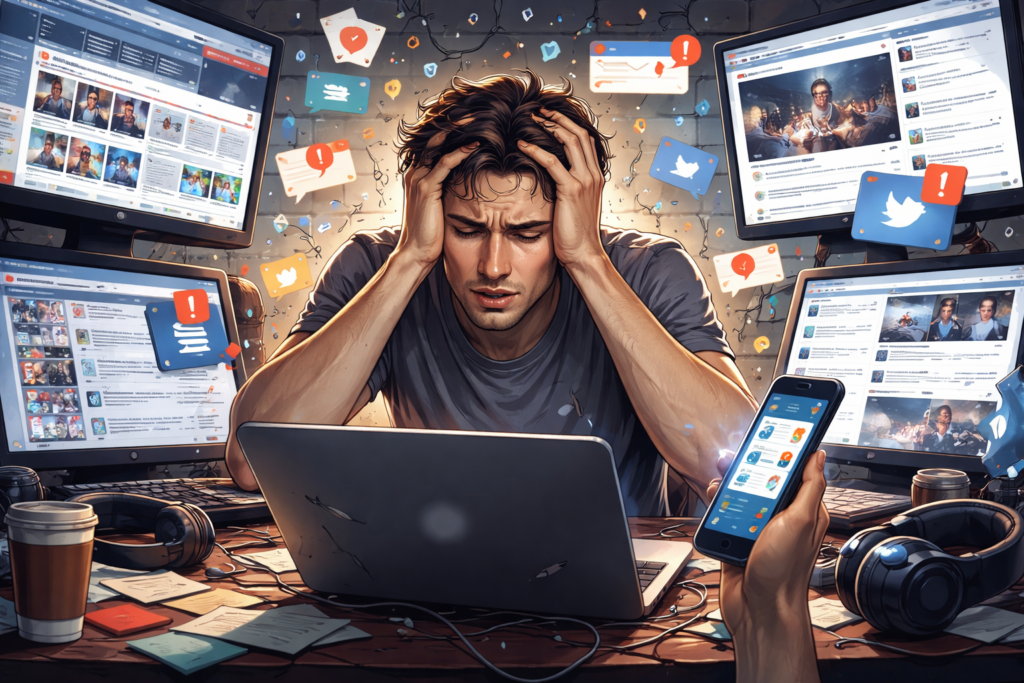
We live in an era where we are more interconnected than ever in 2026. Everything is on the screens, be it work, or social life. Technology enhances efficiency, but it also exposes a person to digital life all the time. This is currently impacting mental health, concentration and general well being.
What does Digital Detox mean?
Conceptualising the Understanding.
A digital detox refers to the limitation or avoiding digital devices over a duration of time. It assists individuals in losing touch with the continual use of the internet. This is a rest that gives the mind time to rejuvenate. It also brings out more real world interaction and awareness.
Why It Matters in 2026
With developed AI-based platforms, people spend 810 hours a day on screens. This causes mental exhaustion and lack of concentration. There is emotional stability when it comes to continuous exposure. A detox is one way of restoring order and enhancing clarity.
Hypothesis: Effect of too much Screen Time on Mental Health.
High Anxiety and Stress.
The pressure to keep abreast of events occurs because of constant notifications. This causes psychological strain and stress. Human beings have a desire to react immediately. In the long run, the levels of stress become very high.
Sleep Disruption
The melatonin in the body is influenced by blue light on screens. This leads to inadequate sleep patterns and cycles. Insomnia is a problem for so many people. When the scrolling is late, the situation is even worse.
Decreased Attention Span.
The switching between the applications often lowers productivity and attention. Short spurts of attention are adapted to the brain. This undermines the ability to think hard. As time goes by, one finds it difficult to focus on significant activities.
Social Isolation
Real life communication is usually substituted by online communication. This will decrease the emotional depth of relationships. Individuals are not alone in real life but they are digital friends. This inequality affects psychological health.
The advantages of a Digital Detox.
Better Cognitive Sharpness.
Screen breaks help in rest and recovery of the brain. It enhances concentration and decision making skills. The creativity also enhances on its own. This results in the development of improved problem solving skills.
Improvement in Quality of Sleep.
Spending less time on the screen before going to sleep enhances the natural sleep cycles. The body is able to relax better without digital stimulation. Sleep is more deepening and refreshing. There is also an improvement in overall health.
Stronger Relationships
Reduced screen time leaves room for quality communication. Emotional connection is enhanced by face-to-face interaction. Relationships are made stronger and authentic. It creates confidence and knowledge.
Enhanced Productivity
The level of distractions reduces and increases the level of concentration. Work is done more efficiently and quickly. Time management. This increases the overall productivity.
Real-Life examples of how to go on a Digital Detox.
Place Time restrictions on screens.
Daily screen use can be tracked with the help of apps or inbuilt tools. Limitations bring about awareness of digital habits. It promotes discipline in the long run. Slowly, there is a decrease in screen dependency.
Time Tech-Free Hours.
Keep certain hours in the day without touching any gadgets. This practice is best done in the morning and during bedtime. It assists in calming the mind and refreshing it. It is effective due to uniformity.
Disable Unnecessary Notifications.
Scheduling unnecessary alerts enables one to limit frequent interruptions. It assists in staying within the priority tasks. The psyche is not as cluttered and stressed. This enhances general tranquility of mind.
Participate in Face-to-face activities.
It is healthy to spend time on such hobbies as reading or exercise. Sporting activities renew mind and body. The practices decrease the dependency on screens. They lead to a more healthy lifestyle.
Practice Mindfulness
There is better awareness and control with meditation and mindfulness. They do decrease the desire to keep on checking devices. This develops psychological discipline in the long run. It helps to maintain emotional balance over an extended period of time.
Digital Detox Trends in 2026.
Digital detox is becoming a fashionable lifestyle that is embraced by industries and work places in 2026. Employers have come out to promote employee disconnection after work to curb burnout. No-technology travel and AI-controlled screen management software are also becoming increasingly popular, thus making detox more realistic and available.
Threats of Digital Detox.
It is challenging to have a digital detox because of always being connected and having habits. The feeling of missing out causes individuals to have to check gadgets an excessive number of times. Online presence is also necessary in work demands. This will have to be overcome through discipline and change of habits.
Conclusion.
Digital detox has nothing to do with the total absence of technology. Minor lifestyle adjustments will enhance mental health and concentration. In 2026, it will be crucial to regulate the screen time. A conscientious living results in a healthy and more fruitful life.
Frequently Ask Questions (FAQs).
1. What is the time period of a digital detox?
Digital detox may take several days or a few hours. It is based on personal lifestyle and objectives. Short breaks every now and then are better. The most important aspect in results is consistency.
2. Does digital detox enhance mental health?
It works, it makes one feel less stressed and sleep better. It is also more effective in terms of concentration and emotional stability. Individuals become less tense and current. General psychological health becomes better.
3. Detoxing and working online: can it be done?
Yes, through establishing limits and use of screens prudently. It is necessary to take breaks regularly. Unnecessary apps are to be avoided. Planning allows finding balance.
4. What are the symptoms of the need to take a digital detox?
Such symptoms as fatigue, anxiety and lack of sleep quality are common. Another pointer is the loss of concentration. It is a red flag to be constantly tempted to look at the phone. These indicators indicate excessive screen-time.
5. Do we have something to aid in digital detox?
Yes, numerous apps monitor and restrict the amount of screen time. The control features are also provided in smartphones. These are instruments of creation of awareness. They simplify the process of detoxing.