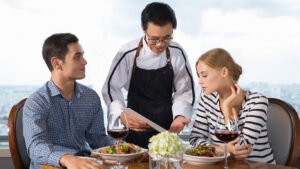






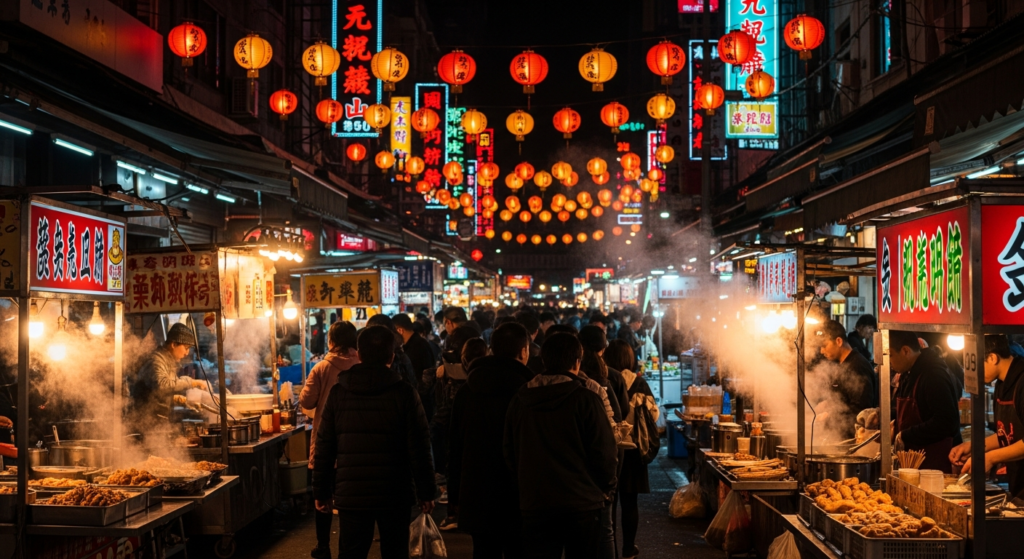
Food-first travel is an emerging mode of travel that involves their focus on taste, tradition and local culinary culture as opposed to traditional sightseeing. People do not hurry up and run between the monuments anymore, instead, they venture through the streets by trying out the food stalls, crowded markets, and family-owned kitchens. This will establish a more emotional and cultural contact with destinations.
Street Food Culture Street Food: The Authentic Taste of a Destination.
- The highlights of Street Food Travel.
- Local recipes that are original and generations old.
- Instant and cheap food stuffs to the travelers.
- Close affiliation to the real-life and culture.
- Flavors that are very diverse.
- Home cooked dishes made of local food.
Street food is the authentic display of the culture of a place. It has not been refined and commercialized–it is natural, crude, and full of life. Each city has its own city street flavours, based on the past and local taste.
Why Travel Experiences are characterized by Street Food.
Street food is one of the ways that tourists can experience the beat of local life. There is a social aspect in food stalls such as in the cities of Delhi, Bangkok or Mexico City where people come together, discuss and share food. It is not only during the eating experience but it is also about watching how communities live in their everyday surroundings.
The smell of spices, the noise of cooking pans and the aesthetic dynamism of packed food streets is a type of sensory experience that can never be repeated in a restaurant. The street food also enables the visitors to experience various foods within one evening and exploration becomes more vibrant and unforgettable.
Markets and Local Kitchens – The Hidden Soul of Food Travel.
- Markets and Local Kitchens are some of the main highlights of the markets.
- Local farm foods and fresh seasonal foods.
- Old time cooking appliances and instruments.
- Kitchens that are run by families, which have their own recipes.
- Food Exchange- Cultures interacting.
- Delicious meals that can not be found in commercial restaurants.
Local kitchens and food markets are the more personalized, in-depth aspect of food-first travel. They are not only eating or shopping spots, but also cultural ecosystems in which cultures are maintained and exchanged.
Travelling Food Markets in the World.
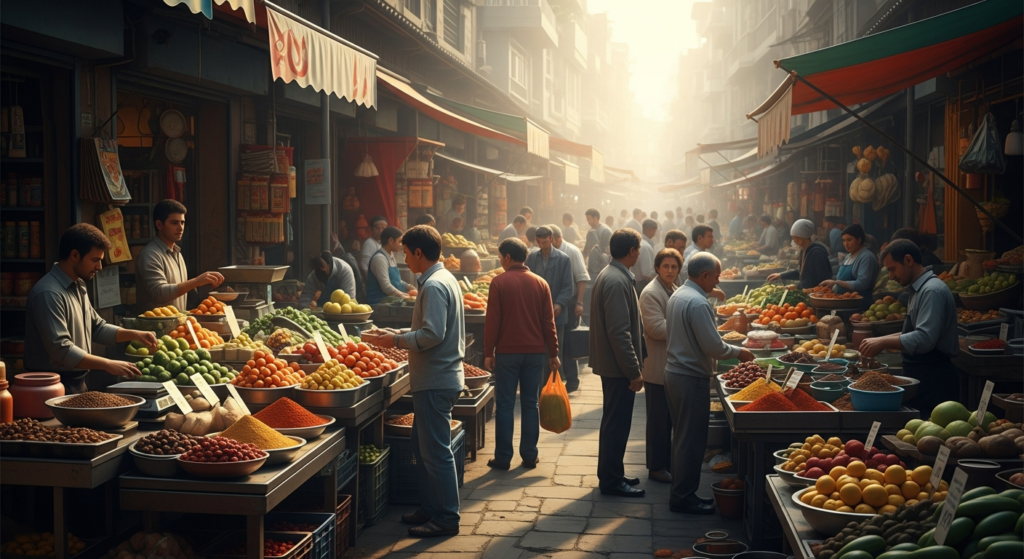
Food markets are colorful, dynamic, and lively. They have taken spice markets in Marrakech to floating markets in Thailand and provide tourists with an opportunity to learn how food is produced and cooked. The event is sensory–merchants yell, food is exhibited in a transparent manner and food is usually prepared in front of your eyes.
The markets also educate the tourists on the local farming, fruits, and local delicacies. Each time one comes, it is an education in geography and culture, which is presented in the form of taste and smell.
The Emotions Value of Local Kitchens.
Home kitchens, or found in little streets, are something which restaurants can never possess–emotional attachment. Such kitchens are operated by families that prepare recipes, which are generations old. Food is made thoughtfully, and food is commonly accompanied by the tales of the past and tradition.
Food is made personal in such spaces. Tourists tend to eat with the locals, get to know their traditions, celebrations and lifestyle. This forms a very strong connection between the visitor and the host and makes a meal a cultural recollection.
The future of travel with Food-First Changes the Exploration Process.
Food-first traveling is a movement that places the emphasis on building experience as opposed to sightseeing. It makes travelers take their time, look and interact with the local communities.
Rather than just marking off tourist attractions, tourists start to:
- No maps, follow food aromas.
- Select locations on food.
- Spend an event longer in neighbourhoods than in attractions.
- Get to know people by sharing meals together.
This will render travel meaningful and sustainable in that it is directly helping local vendors, farmers, and small businesses.
Destinations of Food-First Travel around the World.
There is an amazing food-first experience in countries around the globe:
- Thailand- Street noodles and night markets.
- India – Regional dishes, chats, and dishes of spices.
- Italy -Local pasta shops and trattorias.
- Japan- Sushi counters, ramen shops and food culture of the season.
- Mexico – Street tacos, tamales and spicy things.
Every destination has its own story to tell, which is created by the geography, history and culture in terms of food.
Food-First Travel and Cultural Connection.
Food-first travel does not necessarily imply simply eating but it is a valuable experience to learn more about the culture of the place, customs, and way of life. When the tourists visit street food, country markets, and kitchens, they get to see the true face of a country other than its tourist sites. Each dish has a story behind it- sometimes it is a family recipe, sometimes a local culture and sometimes the power of local agriculture and the power of local produce.
In such a kind of tourism, tourists are not mere spectators but are involved in normal activities. Eating with locals, tasting local cuisine, and food culture form a high level of emotional and cultural bond. That is why food-first travel is turning into one of the most effective and captivating types of contemporary tourism as it provides the experience to be remembered much longer than sightseeing does.
Conclusion
Traveling with food is not just a trend of traveling, food-first is a cultural change. It enables individuals to visit places in the most natural way by tasting, by ingredients and through human relationships. It could be a street-side stand, a busy market, or a peaceful home kitchen, but in any case, each meal will be a story to be remembered. Such a method makes traveling a sensual experience in which food is considered the culture.
F&Q (Frequently Asked Questions).
1. So, what is a food-first travel?
Food-first travel is a type of traveling that involves visiting destinations in terms of local food experiences as opposed to the conventional sightseeing.
2. Are street food and travelling safe?
Street food is usually safe, but it is important to eat it at popular and clean stalls with a high turnover rate.
3. What are the significance of food markets in travel?
Food markets reflect local products, customs and simple living of a region.
4. What is special about local kitchens?
Located restaurants have home-cooked meals that are made using family recipes.
5. What are the most food-first traveling countries?
Some of the best destinations to do food themed tours include Thailand, India, Italy, Japan and Mexico.